
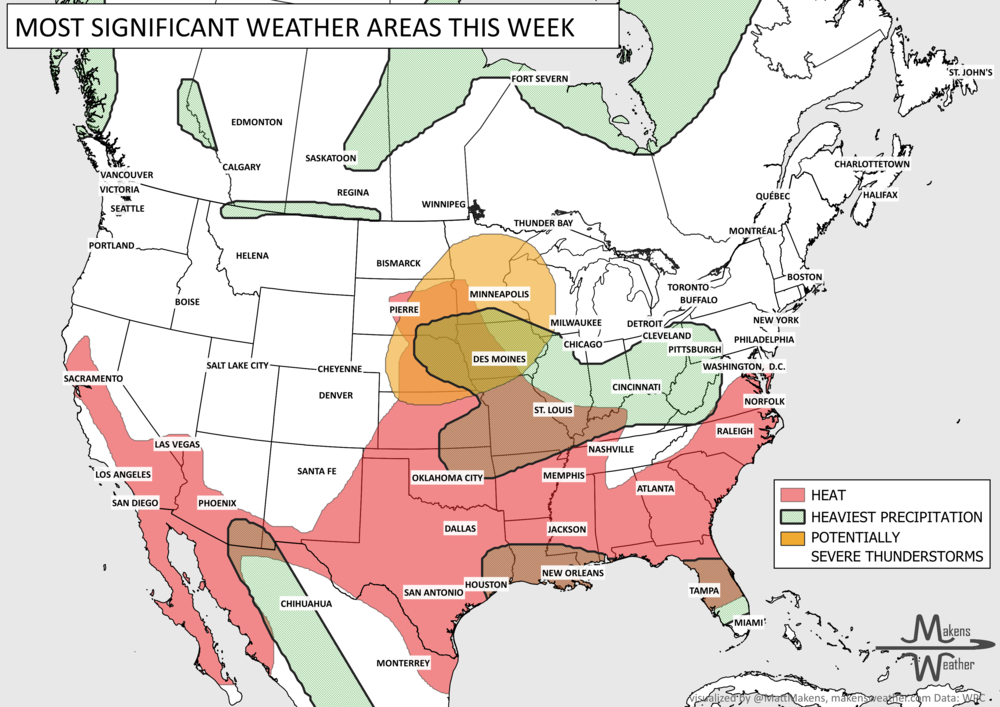
Weekly Weather Watch: Tuesday, January 28th, 2025
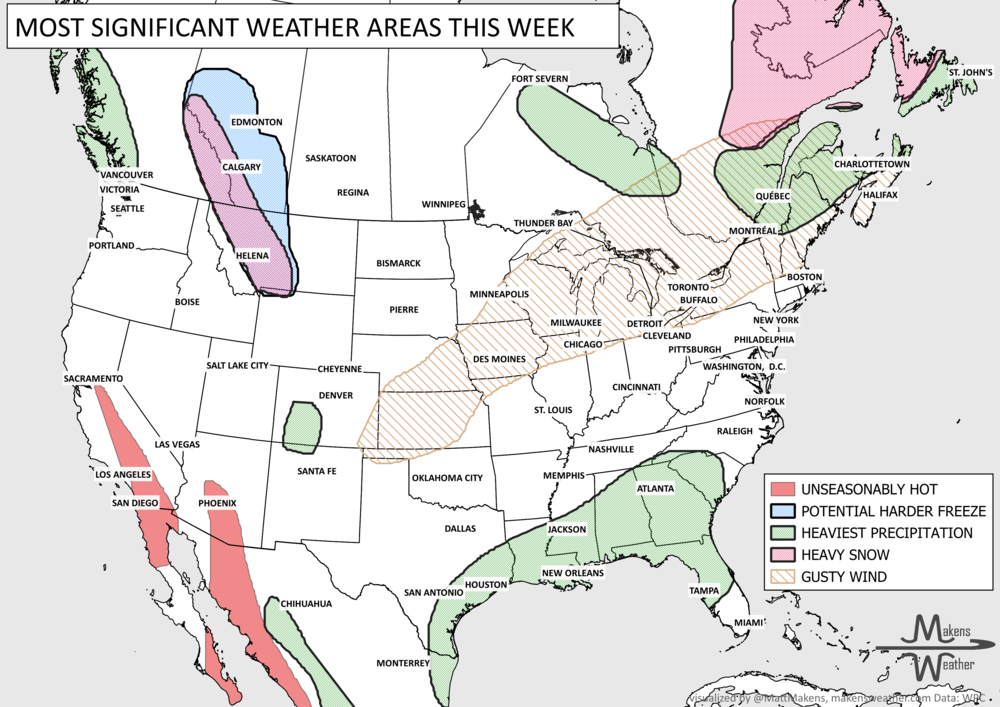
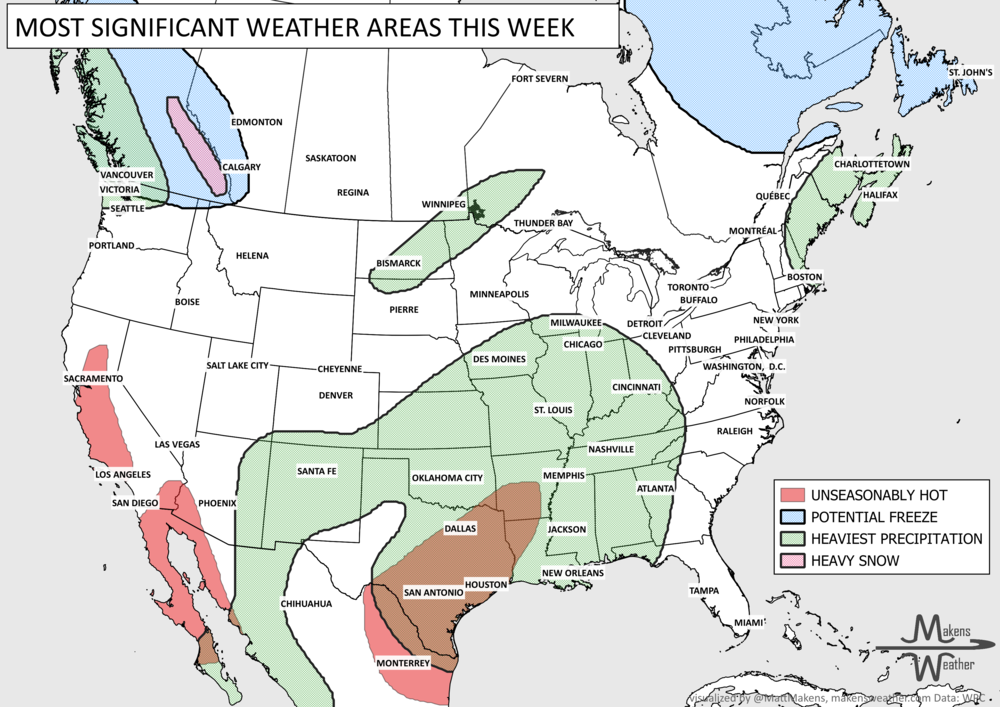
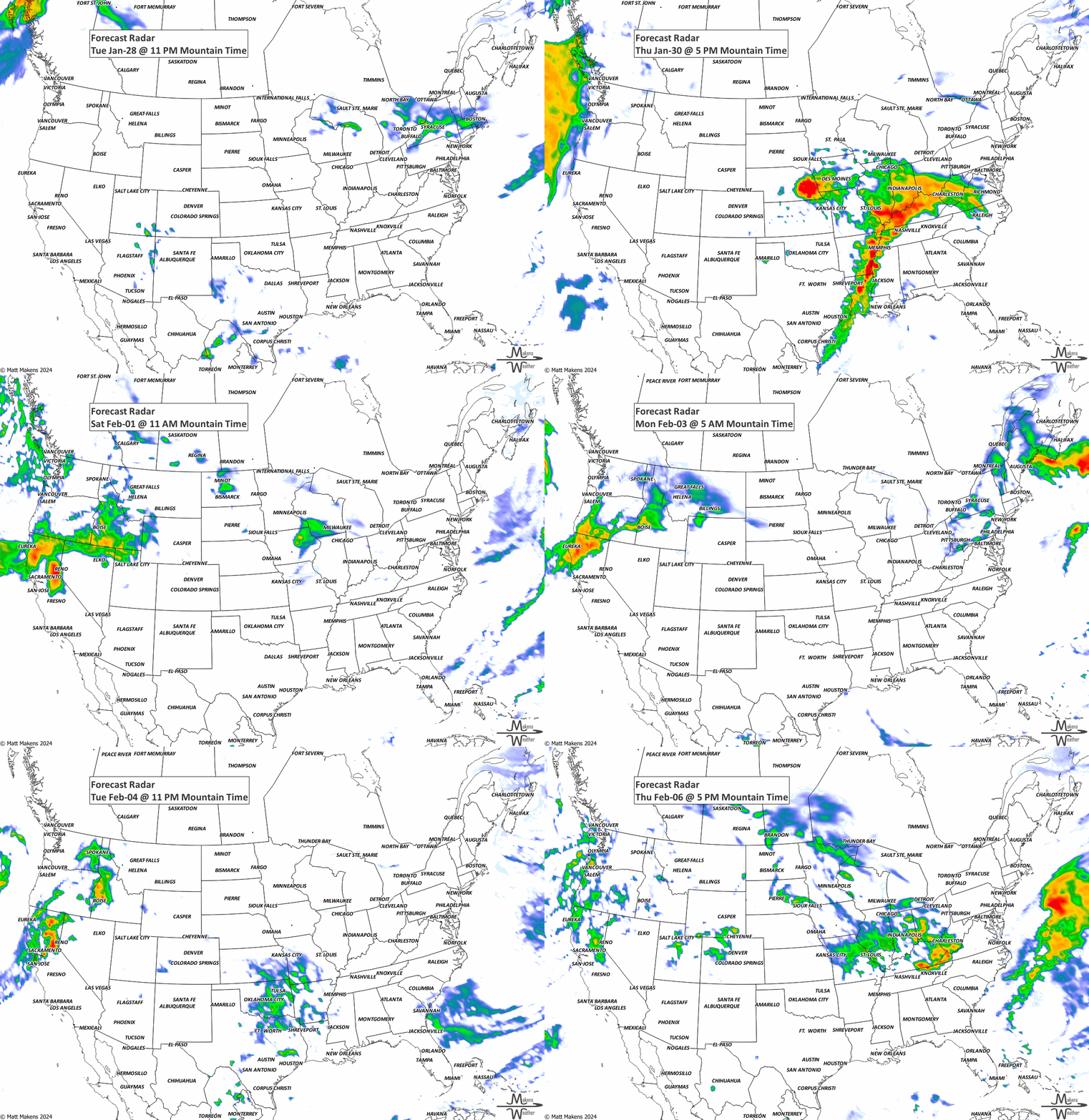
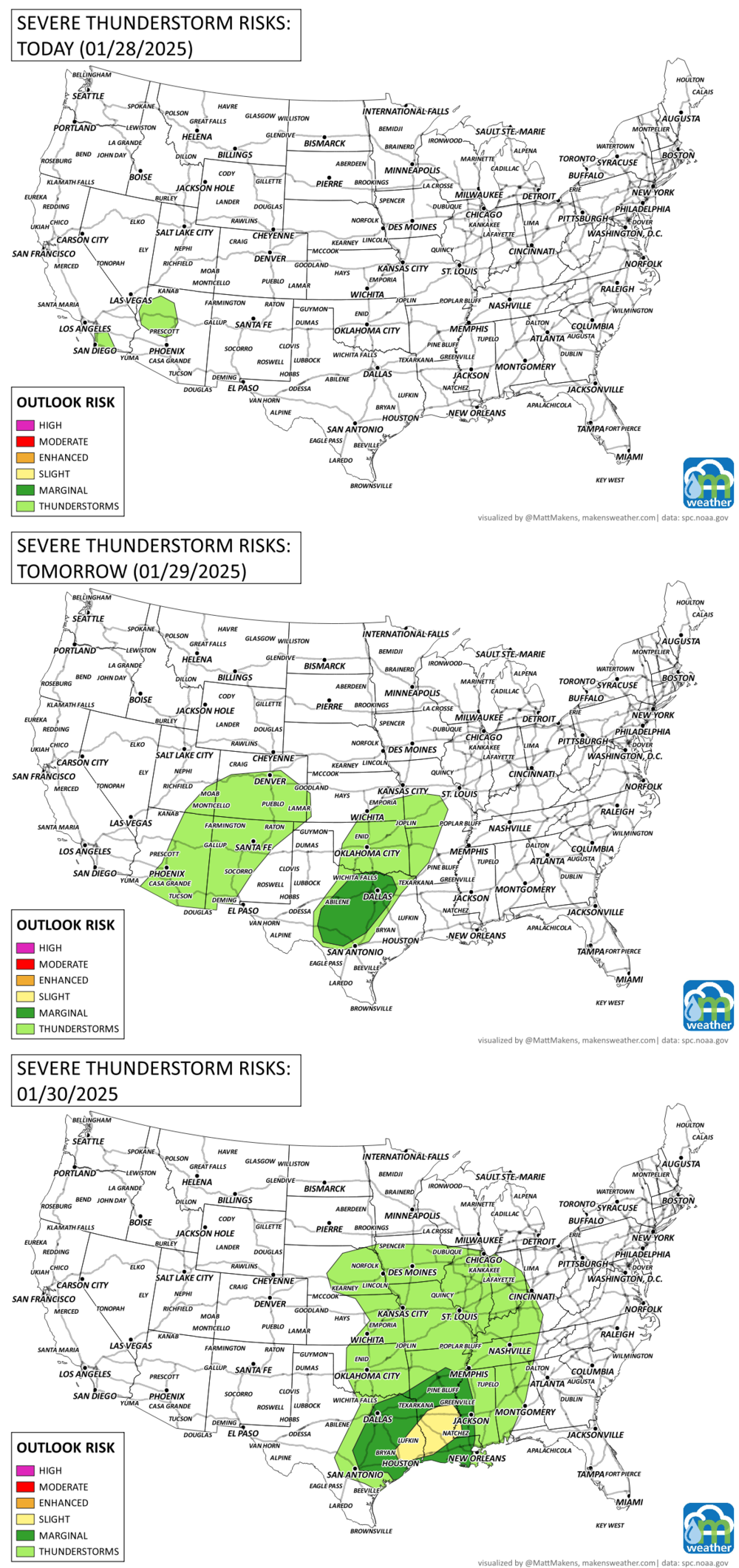
The heavy snow and gusty winds will stick around for parts of the Great Lakes, northern Mid-Atlantic, and New England until Wednesday. There’s also a chance of snow squalls, which could make travel tricky here. Meanwhile, a storm system is moving in and could bring severe weather to the Southern Plains on Wednesday and Thursday, with heavy rain that might lead to flash flooding and river flooding.
Members, you should have received your weekly breakouts via email yesterday.
HEADLINERS:

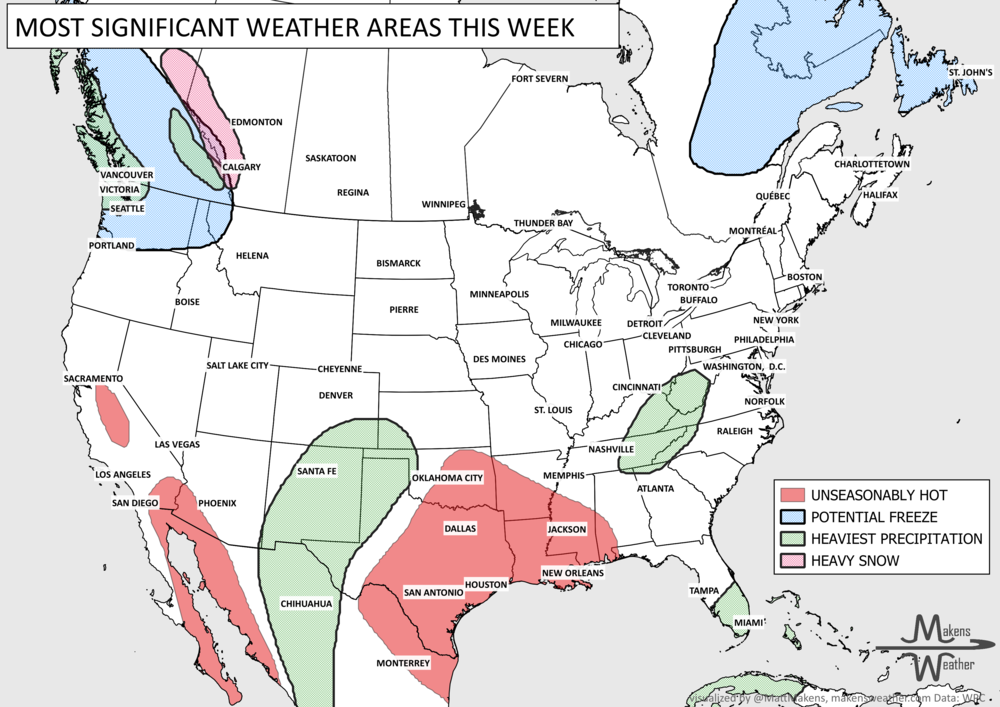
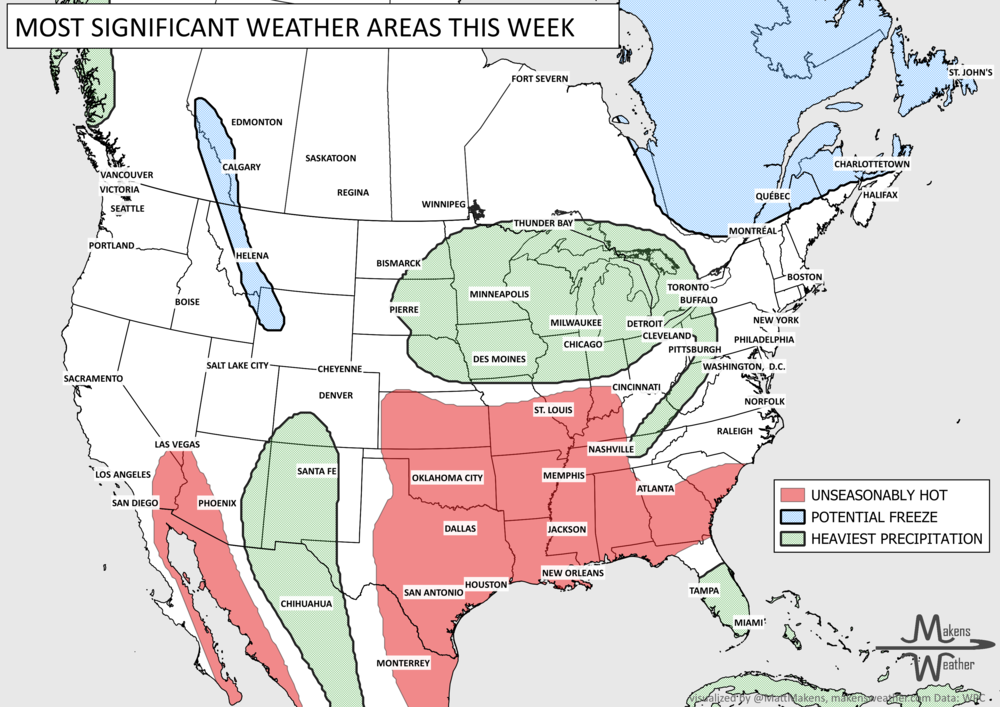
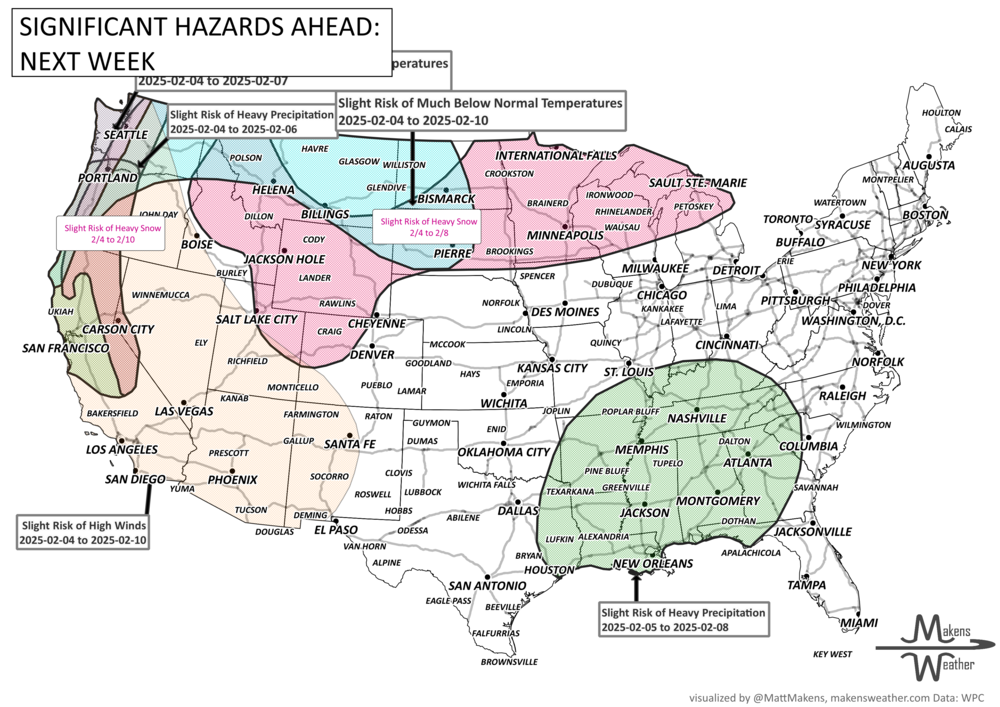
There’s a slow-moving storm system centered over the Southwestern U.S., which will spread heavy snowfall to the Four Corners Region. In Colorado, the latest timelines and snow forecasts are provided at Weather5280. This system drifting eastward later this week will set the stage for rain and some potentially severe thunderstorms stretching from the central Gulf Coast up to the Mid-Atlantic and southern New England. A couple of rounds of snow are possible in the northern areas during this time, too. Over in the Pacific Northwest, a cold front and its moisture will bring rain and mountain snow by Friday, sticking around through the weekend. Most of the country will see near or above-normal temperatures for now (even some record highs as shown below), but early next week, an Arctic blast is expected to hit the Northern Plains and Midwest behind a strong cold front.
ON THE RADAR:
KEEP AN EYE TO THE SKY:
IN THE GAUGES:
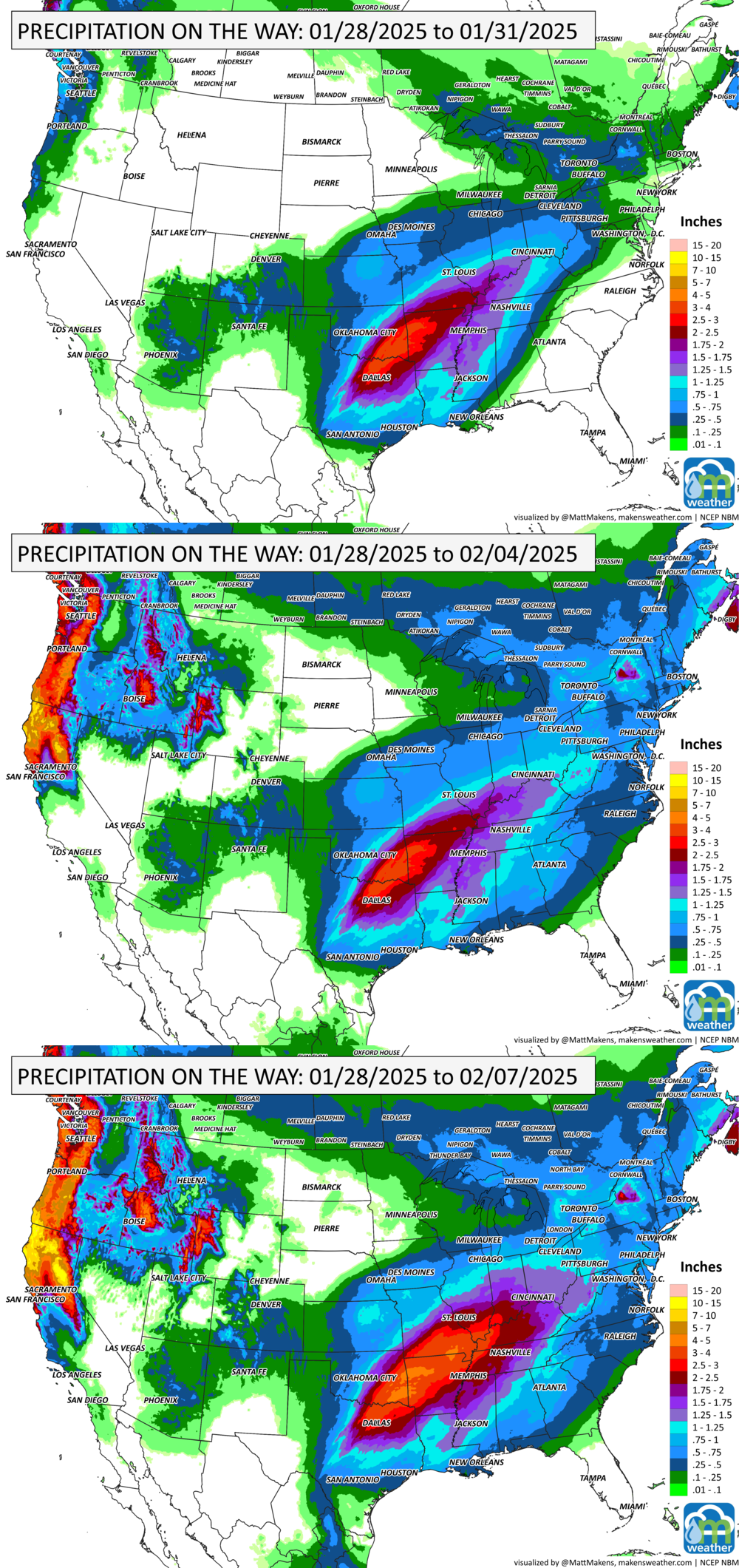
GRAB A RULER:
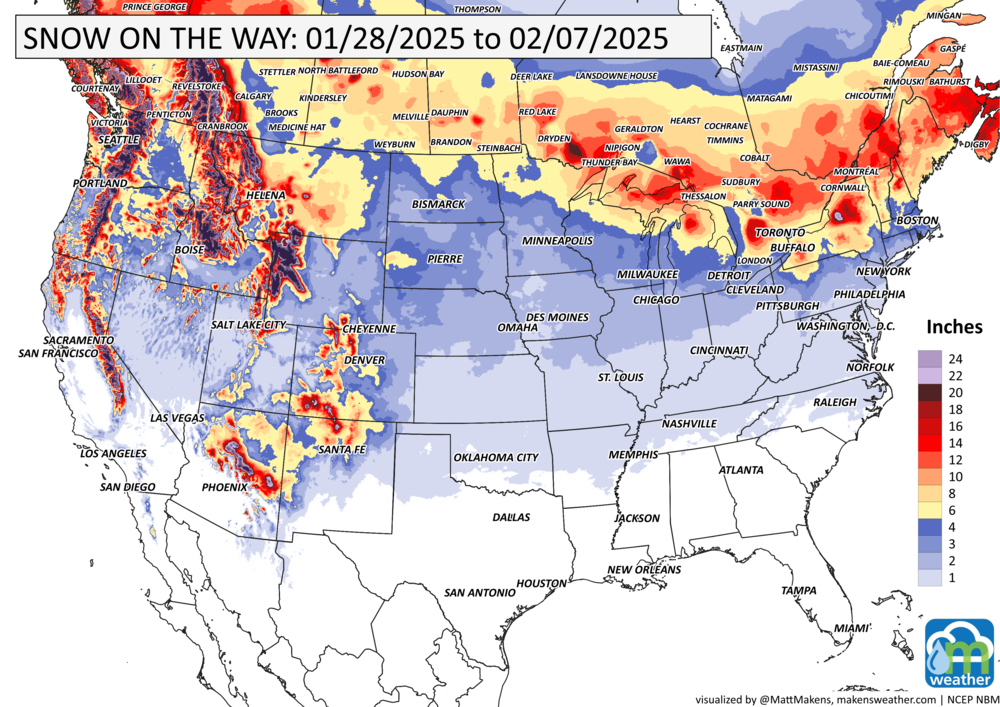
RECORDS MADE TO BE BROKEN:
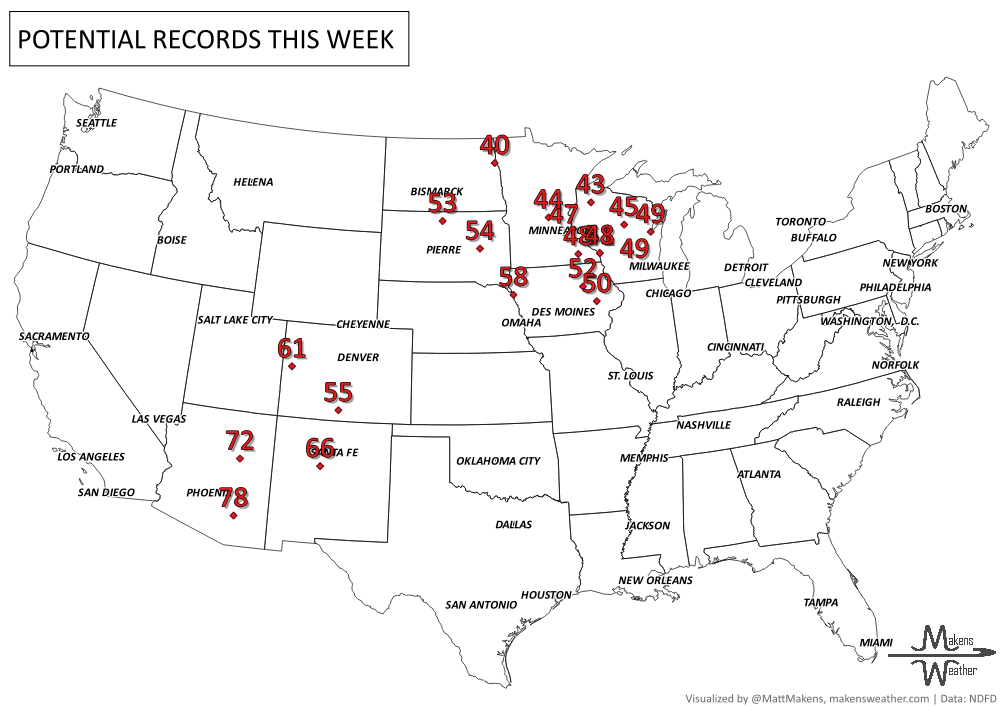
ARE YOU CIRRUS?!
On this day in history:
1757 On a bitterly cold day in York Factory, Manitoba, it was cold enough to freeze English Brandy. English Brandy freezes at -26 degrees.
1887 The largest snowflakes in the world fell across Fort Keogh in Montana. The flakes were measured at a massive 15 inches across by 8 inches thick. (I’m skeptical on this one… The snowflake was spotted by Matt Coleman, a cattle rancher, on January 28, 1887. The flakes were described as being "larger than milk pans)
The weather pattern is about to make a pretty sharp turn across the country. California starts the week with unusual October heat, including highs well into the 90s and even lower 100s in the Central Valley. Meanwhile, much cooler fall air has reached the Great Lakes and Northeast. The Gulf Coast and Southeast stay unsettled, and there’s that record to watch: a tropical depression is likely to develop over the Gulf this week and could strengthen as it moves northeast. If it becomes a hurricane after the 8th, 2026 will have the latest-first hurricane in the Atlantic Basin record.