
Weekly Weather Watch: Tuesday, July 22nd, 2025
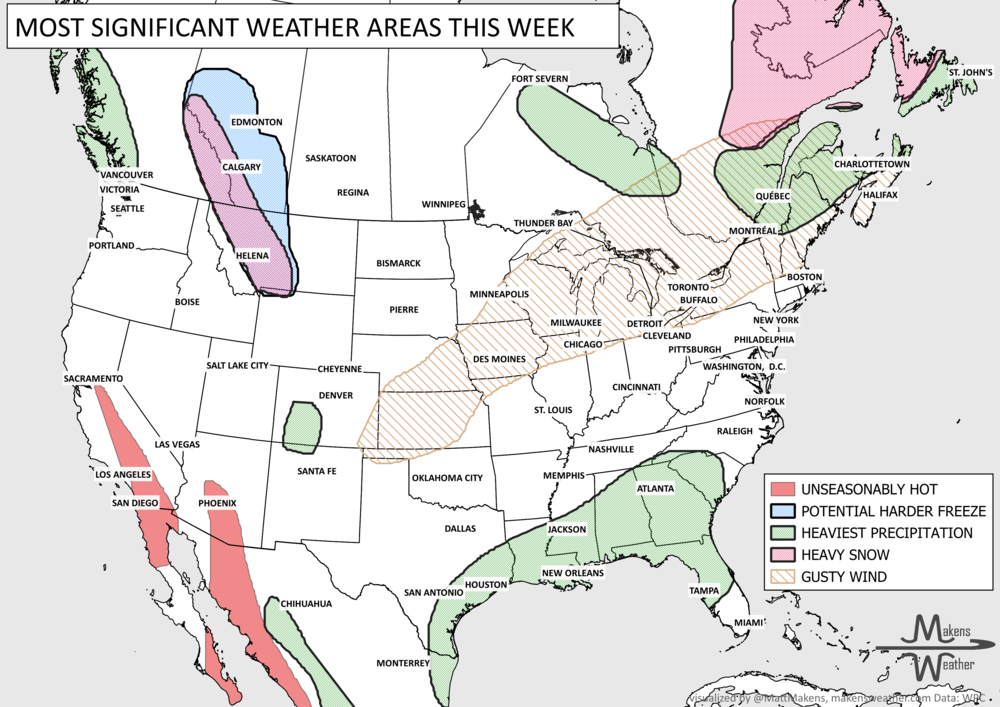
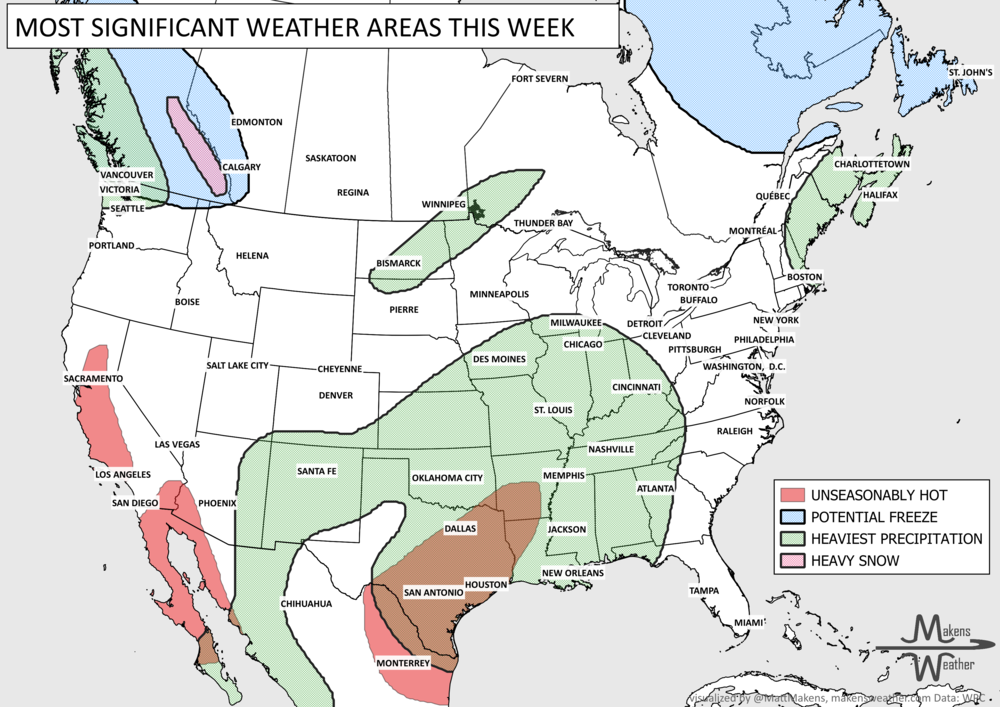
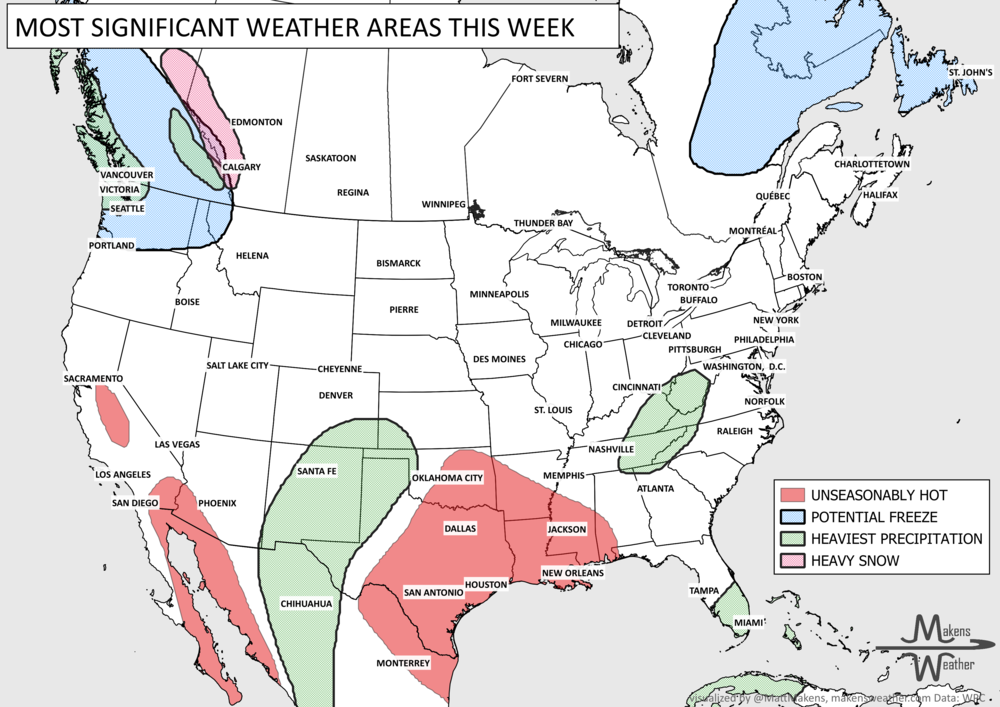
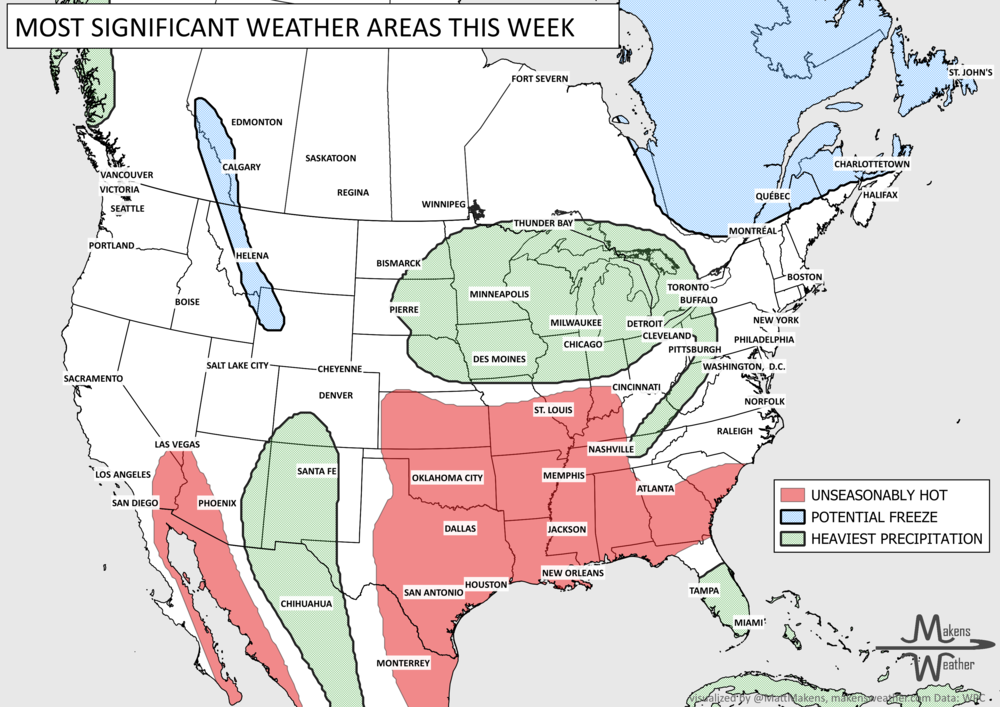
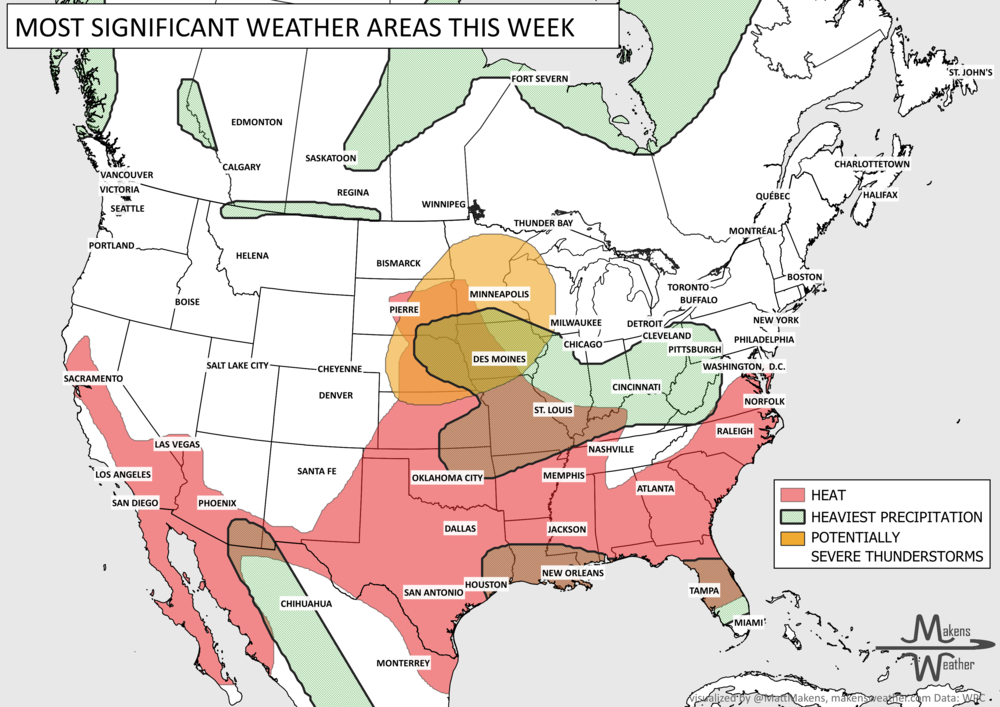
Heat is locking in over much of the Central and Eastern U.S., with nearly 60 million people under various heat alerts through the end of July. Temperatures and humidity will drive heat index values well into the triple digits. At the same time, stormy conditions continue along the northern edge of this “heat dome.“ Areas from the Northern Plains to the Midwest and Gulf Coast can expect heavy rainfall, flash flooding, and isolated severe weather. Meanwhile, much of the West remains cooler than average. Across Canada, BC has heat warnings for some, and AB, SK, and MB have air quality issues stemming from the wildfires.
🌦️ members! LIVESTOCK HEALTH PRODUCTS ARE Now Live!
Get ready to take your herd-management game to the next level. We’re pulling back the curtain on the Cattle Health Heat Index—a brand-new tool using cutting‑edge modeling to give you daily specifics of your herd’s well‑being during the next seven days.
Check it out here: Members Portal
HEADLINERS:
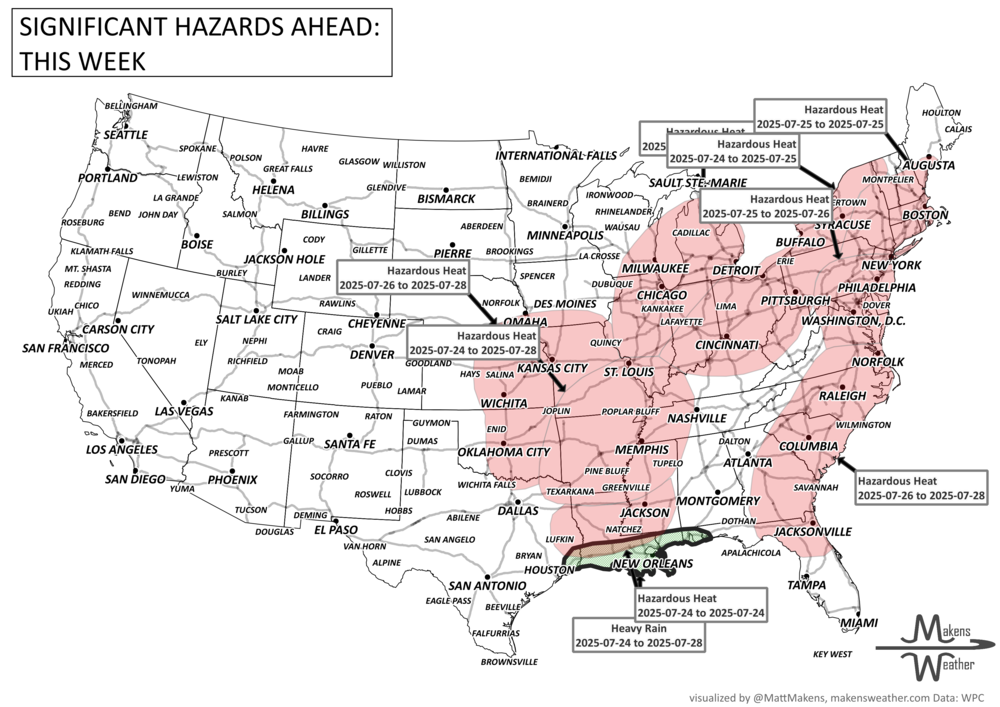
Notable Weather Highlights:
Tuesday-Thursday (July 22–24):
Extreme heat builds across the Central Plains, Midwest, and Deep South, with heat index values up to 115°F.
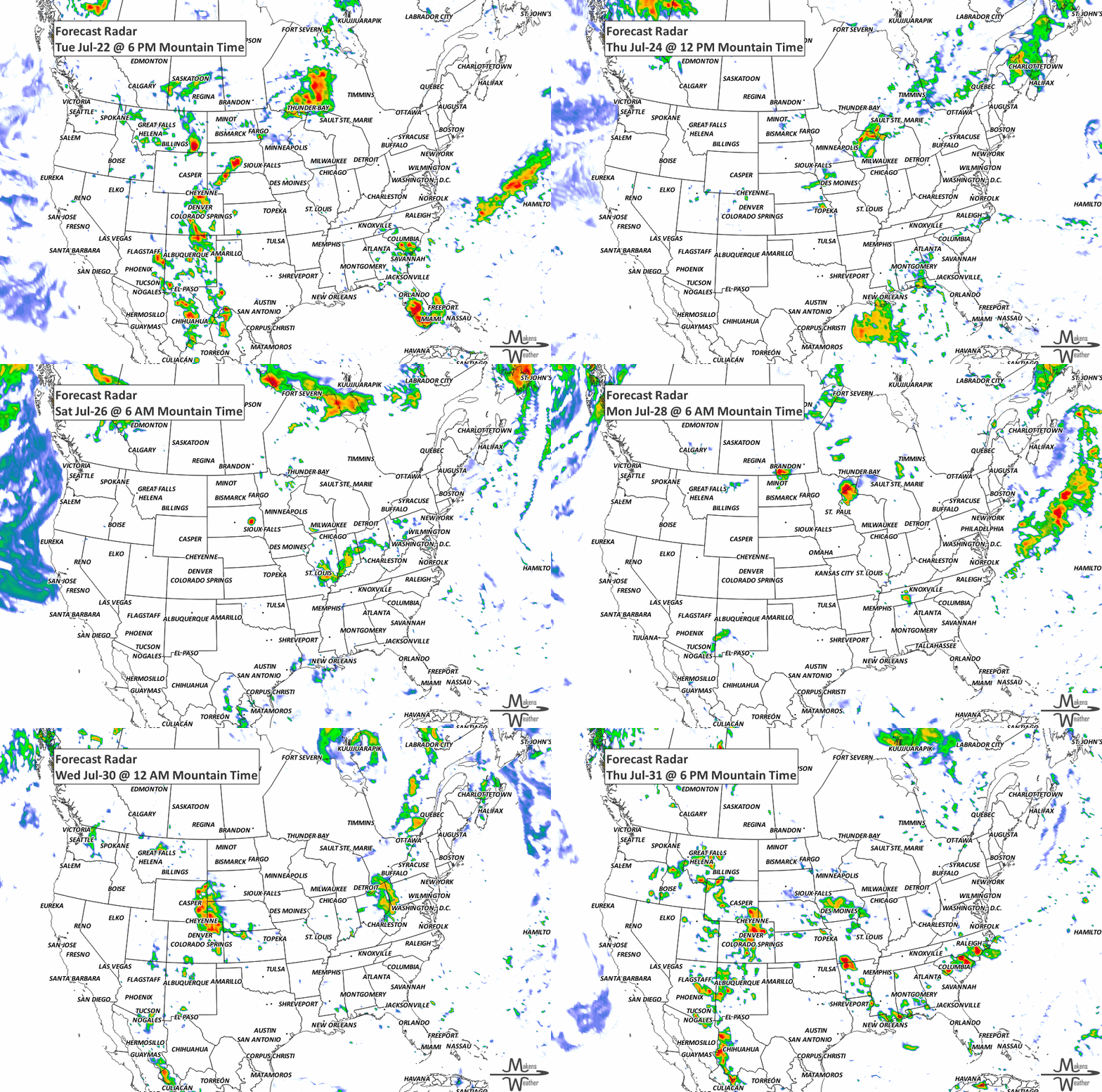
Severe thunderstorms with damaging winds and hail possible in the Northern Plains and Upper Midwest.
Flash flood risk across the Upper Midwest, Southwest, and Southeast, especially near Florida and the Carolinas.
Friday-Saturday (July 25–26):
Heat wave expands toward the Tennessee and Ohio Valleys and the East Coast.
Storm complexes may develop from Iowa to the Northeast, bringing a risk for localized flooding.
Heavy rainfall expected along the Florida Panhandle to Southeast Texas from a stalled front and weak surface low.
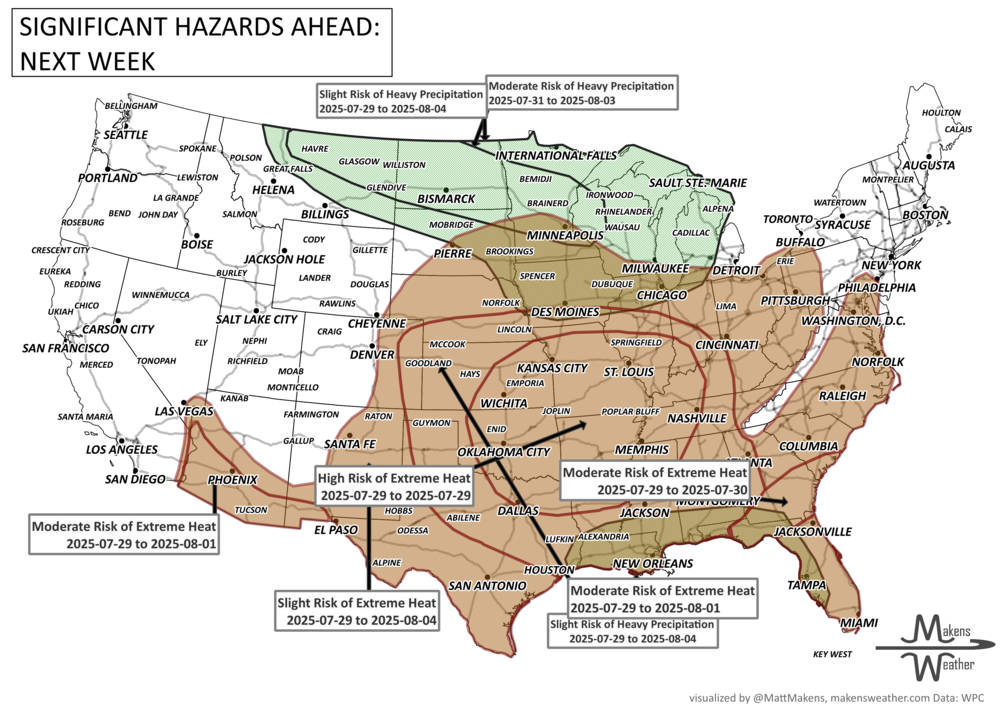
Sunday-Tuesday (July 27–29):
High heat continues over the Mid-South, Southeast, and Central Plains, extending into the Appalachians.
Heavy precipitation possible from Montana to Wisconsin and along the central/eastern Gulf Coast.
Rapid Onset Drought remains a concern for parts of Kansas.
ON THE RADAR:
KEEP AN EYE TO THE SKY:
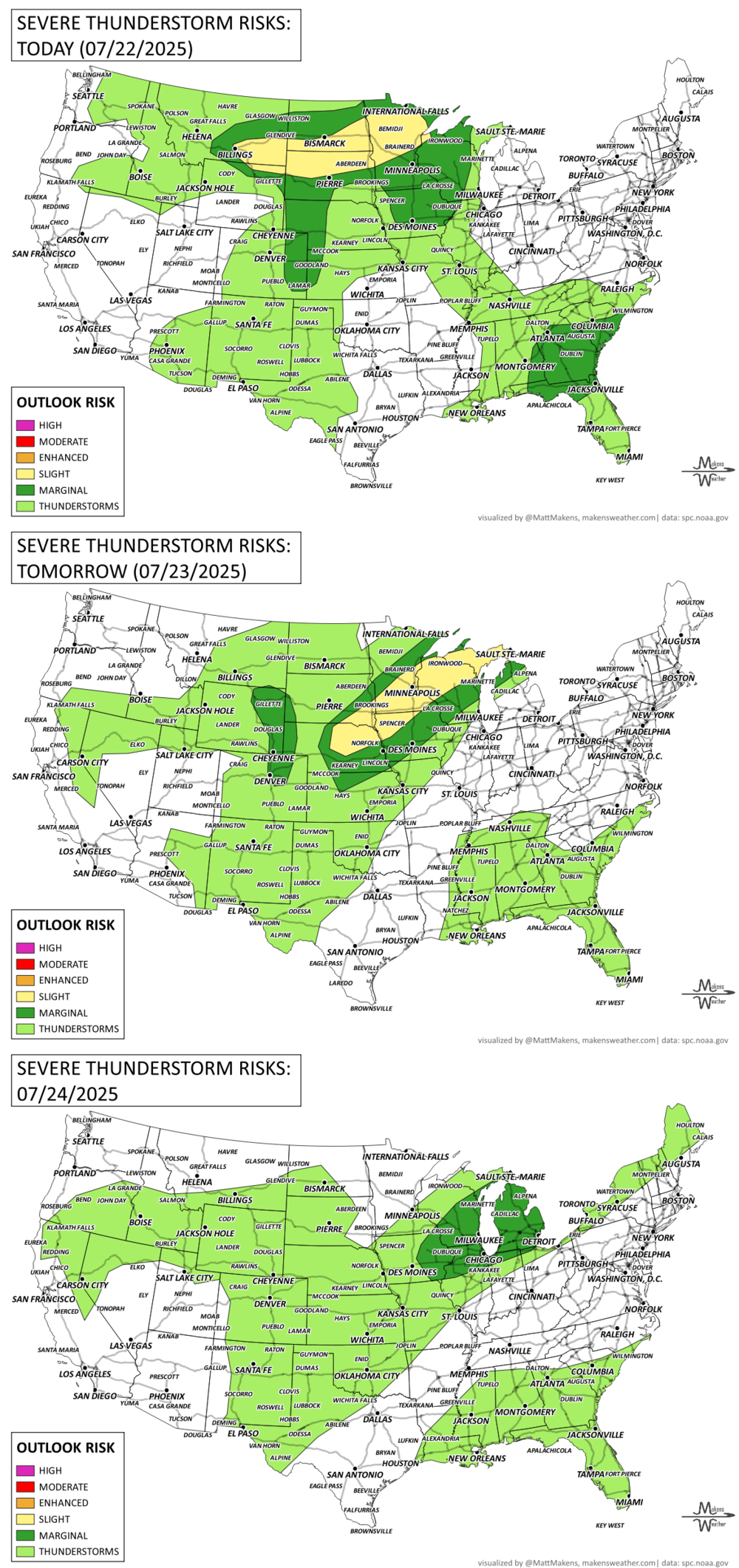
IN THE GAUGES:
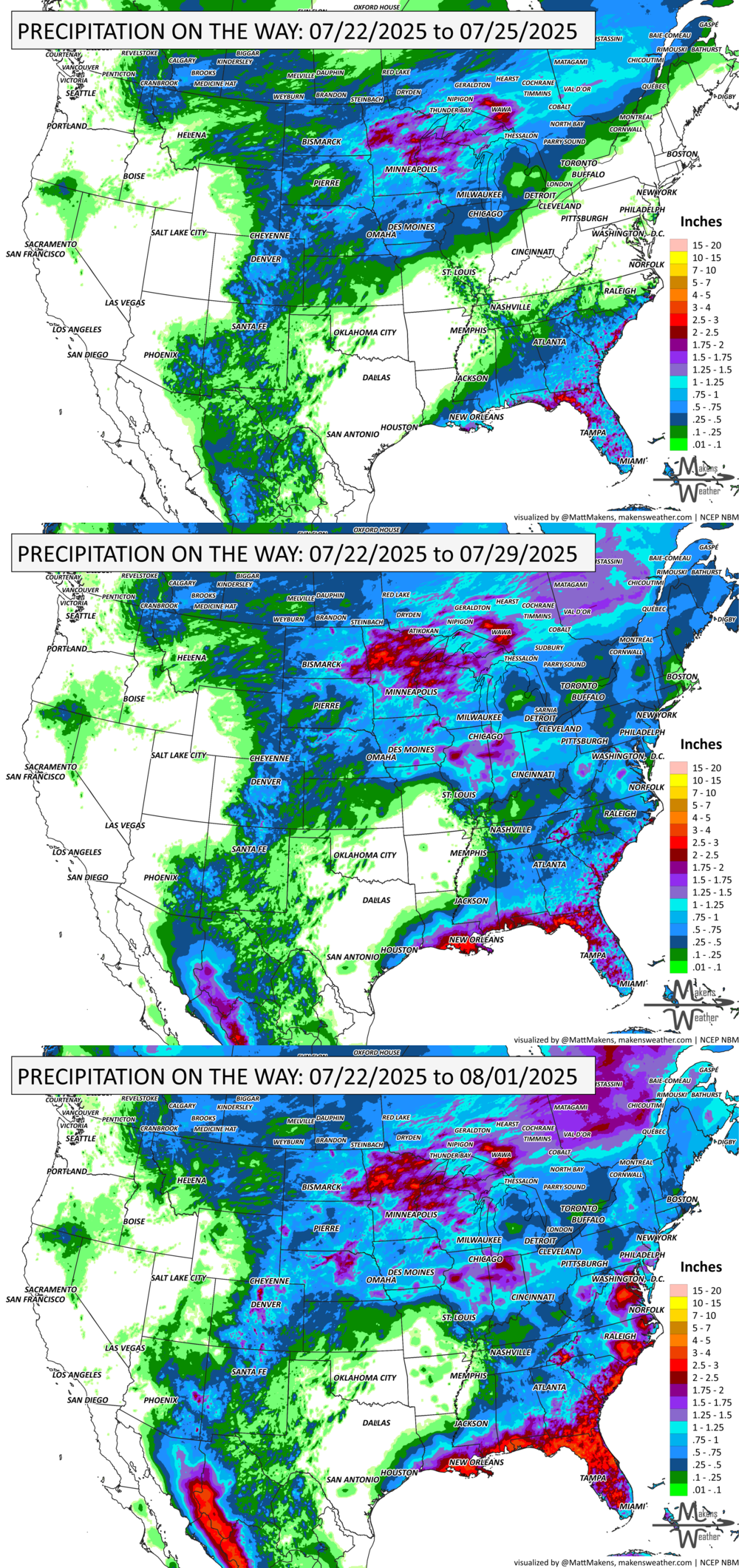
RECORDS MADE TO BE BROKEN:
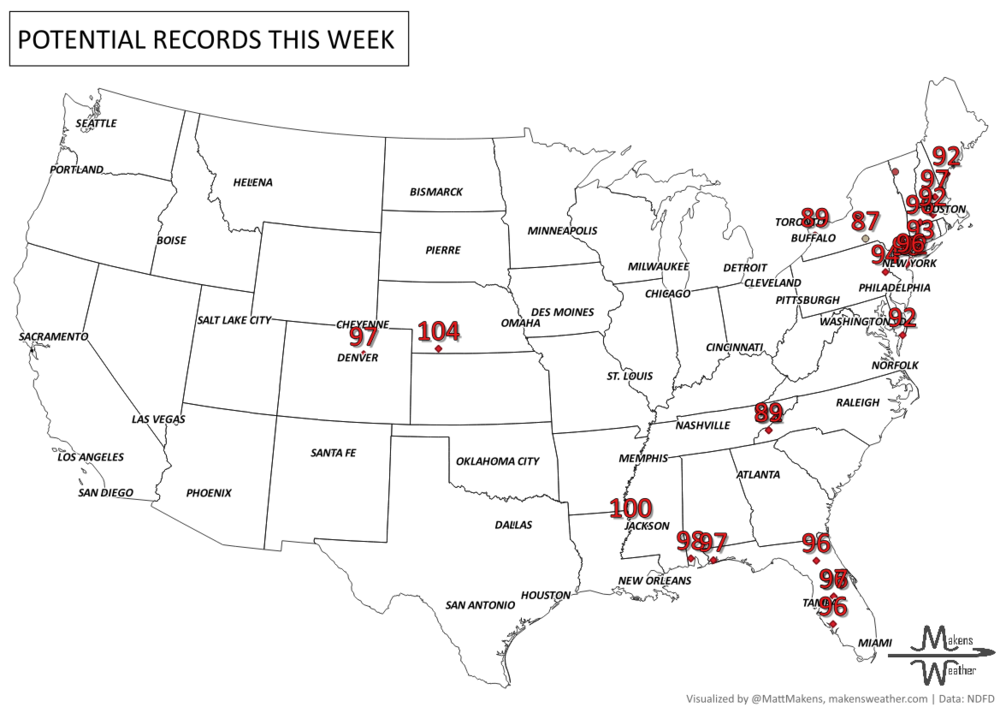
fire!
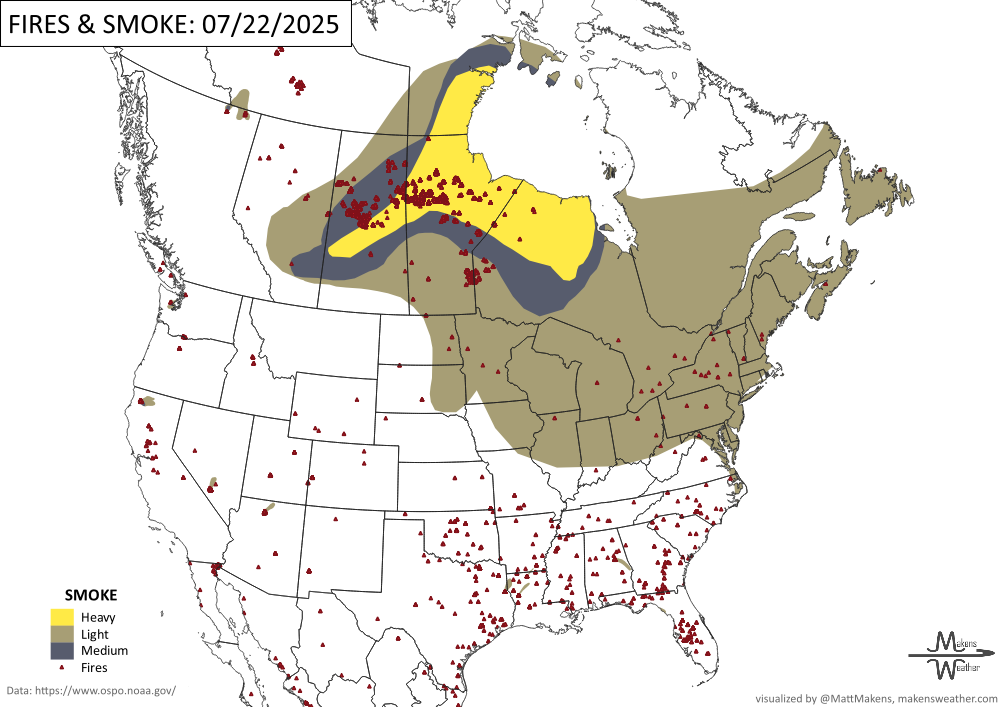
ARE YOU CIRRUS?!
1918 A single bolt of lightning struck 504 sheep dead in their tracks at the Wasatch National Forest in Utah. Sheep often herd together in storms, and as a result the shock from the lightning bolt was passed from one animal to another.
2003 It was the hottest night in history for a city known for its sizzling temperatures as the mercury in Phoenix, AZ managed to fall to only 96 degrees.
The weather pattern is about to make a pretty sharp turn across the country. California starts the week with unusual October heat, including highs well into the 90s and even lower 100s in the Central Valley. Meanwhile, much cooler fall air has reached the Great Lakes and Northeast. The Gulf Coast and Southeast stay unsettled, and there’s that record to watch: a tropical depression is likely to develop over the Gulf this week and could strengthen as it moves northeast. If it becomes a hurricane after the 8th, 2026 will have the latest-first hurricane in the Atlantic Basin record.