Free Perspectives
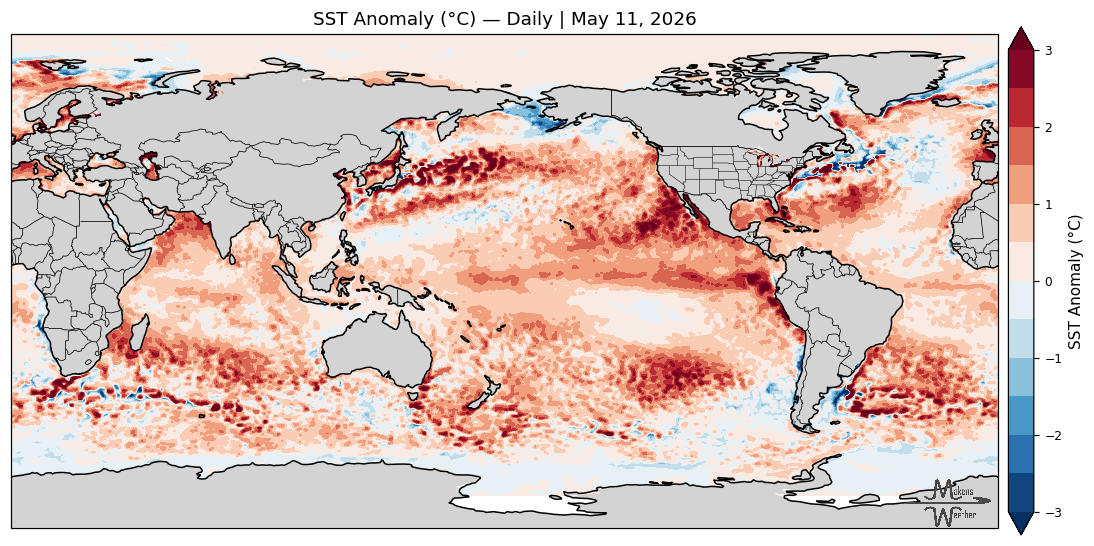

It is no longer gossip or rumor; La Niña has ended, and El Niño conditions have developed. El Niño is one of the most influential climate drivers for global agriculture. Defined technically as the warm phase of the El Niño–Southern Oscillation (ENSO), it occurs when ocean temperatures in the central and eastern equatorial Pacific are above normal, causing the atmosphere to respond and altering weather patterns globally. That ocean–atmosphere “coupling” is what ultimately shifts rainfall, temperature, and storm tracks across key growing regions worldwide.
A powerful El Niño is reshaping the winter 2026-27 jet stream, bringing much-needed moisture to the South and Southwest. Despite "Super El Niño" headlines, offsetting Pacific factors (like the PDO) mean moisture won't hit the Central Plains equally. While short-term forage and wheat establishment will benefit, multi-year groundwater and reservoir deficits will take more than one season to recover.