
Weekly Weather Watch: Tuesday, July 2nd, 2024
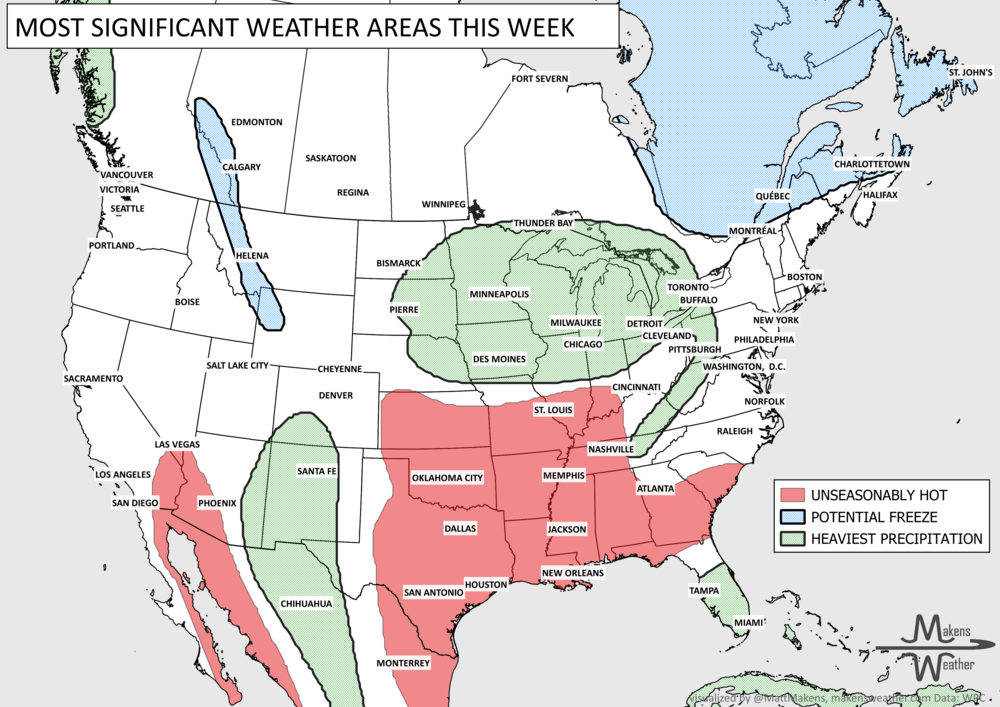
The headlines include Hurricane Beryl, hot conditions for Southern Plains, Lower Mississippi and the West, and severe thunderstorms and flash flooding in the Midwest through midweek.
Monthly Members, your July weather outlook was delivered to you yesterday.
THE PATTERN:
For this week:
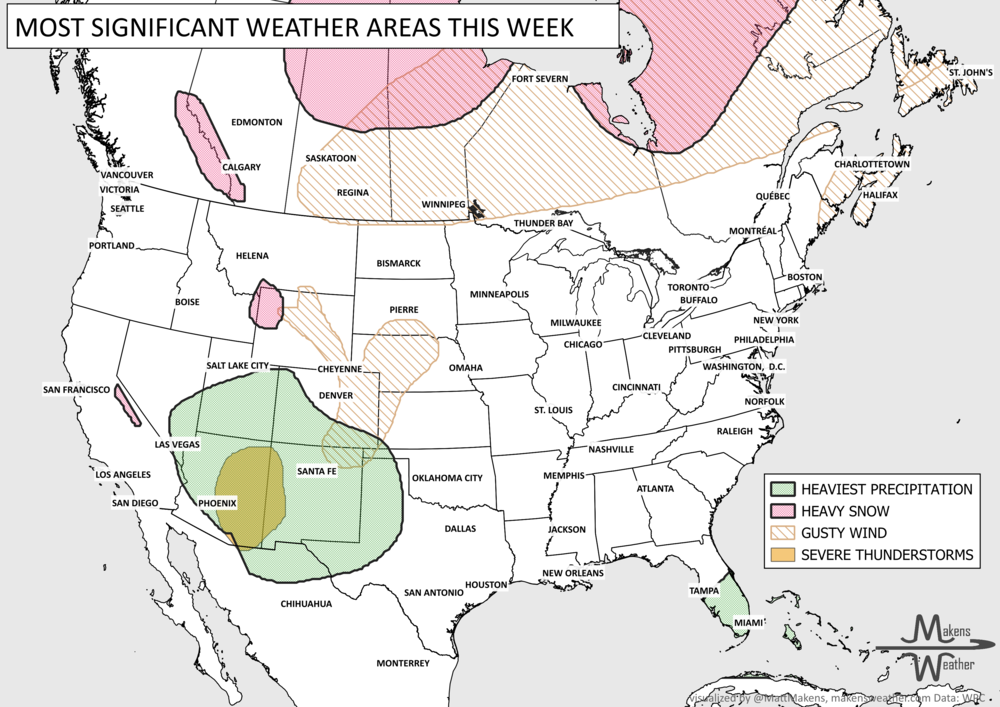
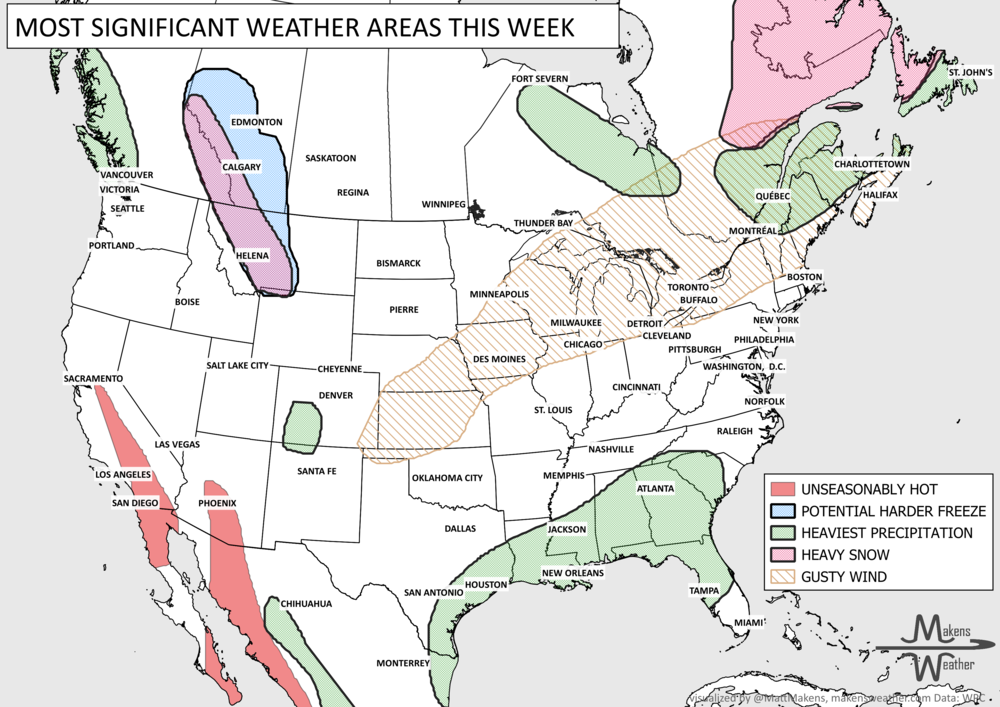
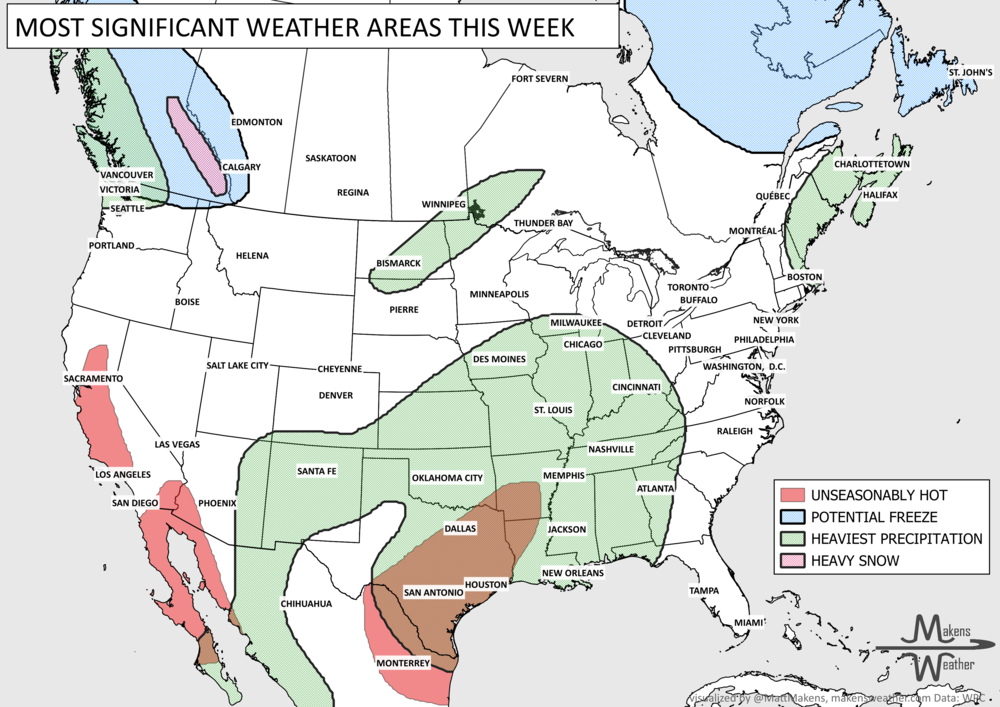
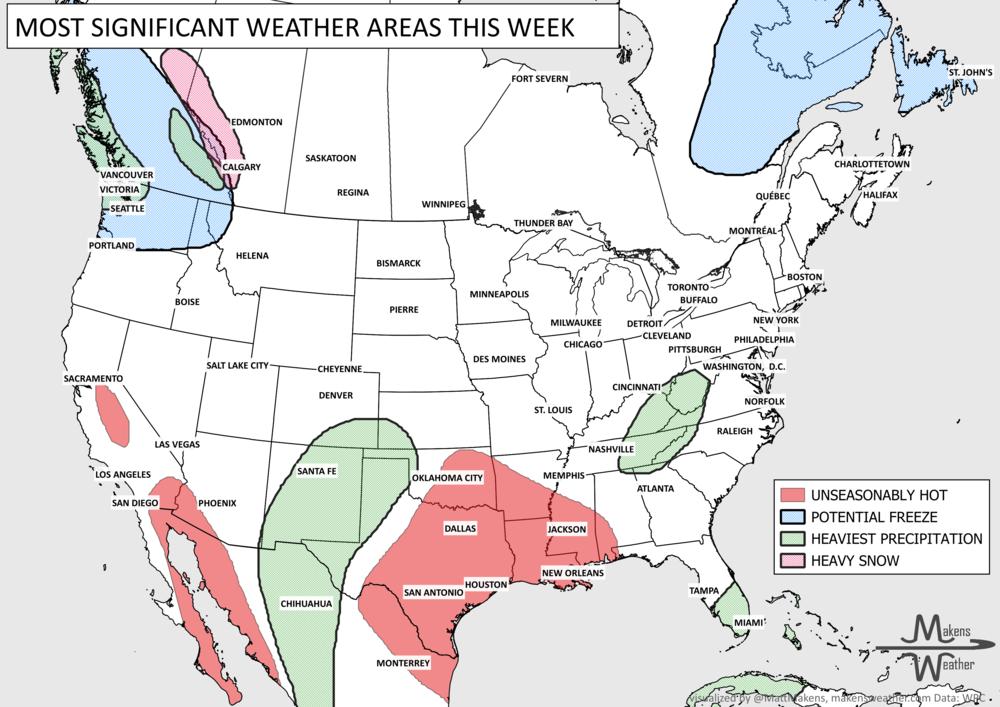
Abnormally hot weather for the West, South, and Southeast through the 8th. The West has a number of potential daily record highs to be set.
Hot weather also hits parts of Canada. From northern Alberta to Northern Manitoba.
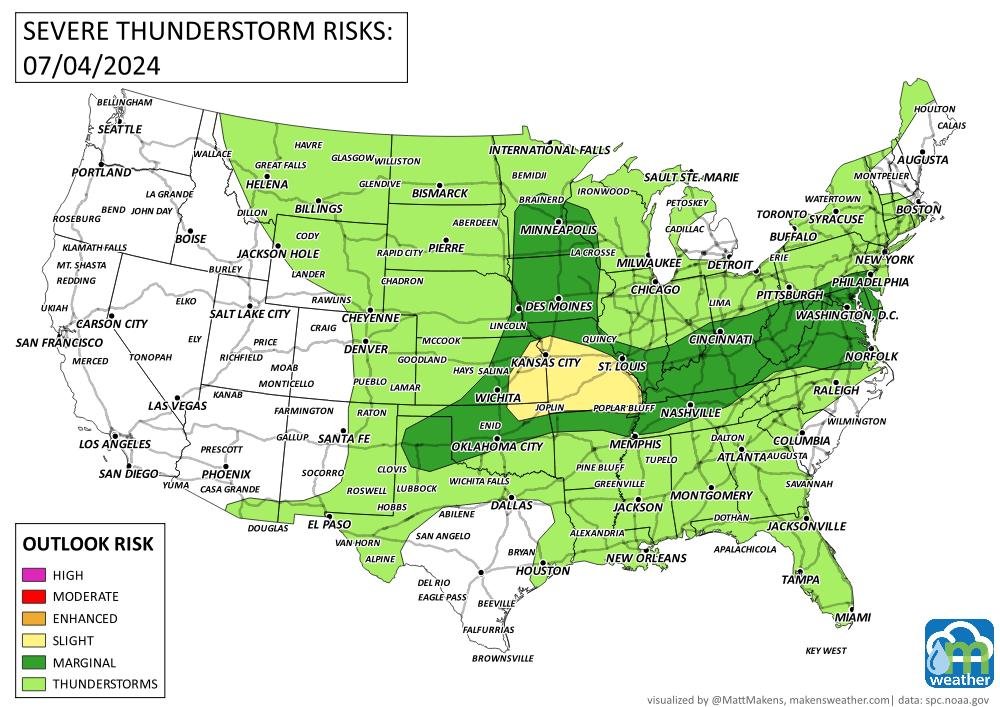
Severe weather throughout the Central U.S. this week, including July 4th.
Heavy precipitation for South Texas, depending on the eventual track of Hurricane Beryl.
Heavy precipitation for parts of the Canadian Maritimes.
For next week:
For the West, the hot weather continues through the 12th.
Keep an eye on Hurricane Beryl’s potential impact on Mexico, Texas, and the central Gulf Coast. Its track is far from locked in.

ON THE RADAR
The timing:

Potential severe weather areas:


IN THE GAUGES:
Total precipitation this week: Heavy rainfall continues to focus on the Midwest toward Great Lakes and into Ontario and Quebec. Moisture continues for parts of Mexico into the far southern Southwest. Notice heavy rainfall in pockets from Florida and along the Eastern Seaboard.


THE MERCURY:
Record heat this week: The West holds the highest potential to set several daily record highs.

TRACKING THE TROPICS
Hurricane Beryl’s track: remains favorable for entering the Gulf of Mexico; thereafter, it is too early to say if Mexico will be the landfall or if the storm will turn northward toward Texas and the Gulf Coast States. Use the National Hurricane Center’s information to keep up to date.

ARE YOU CIRRUS
“Hurricane Beryl is the strongest July Atlantic hurricane on record, breaking old record of 160 mph set by Emily (2005). Prior record for earliest calendar year Atlantic hurricane with 165 mph max winds is Allen (1980) on 5 August.” source: Philip Klotzbach, CSU.
A nor'easter will continue to cause problems along the Mid-Atlantic coast through midweek, with coastal flooding, beach erosion and dangerous marine conditions. Meanwhile, a storm moving into the West will pull unusually high amounts of moisture into the Southwest and Four Corners, increasing the risk of flash flooding Wednesday and Thursday. That storm will eventually spread rain and thunderstorms into the Plains this weekend, with some locally heavy rainfall possible. Snow is also likely in the higher elevations of the Sierra Nevada and Rockies. Temperatures will run cooler than normal across much of the West, while the Central U.S. stays unusually warm for late October. Another Pacific system will bring precipitation into the Northwest this weekend, and parts of Florida could see repeated rounds of heavy rain.